

Respecting our biophilic urges
One of the most charming and innate aspects of being human is living with the insatiable urge to create life and see life created, to propagate and take part in aiding other organisms on their own journeys through life, learning to meet their needs, all because it feels so good to see them thrive. It feels so good because when others succeed and do well, it’s a sure sign that you will be taken care of in return. Whether it’s your own family and friends, pets, the ridiculous number of plants that some of us have growing inside and outside our homes and apartments, being surrounded by other life makes living life more bearable. Perhaps it’s because we are all made from the same magic stardust, and having other magical stardust beings around makes hurtling through space on this pretty little rock much less terrifying and lonely. It’s hardwired in us to make things grow, it’s for our very survival. This survival mechanism is called biophilia, and it’s the reason we love other living things so much, and are willing to fight to protect them.
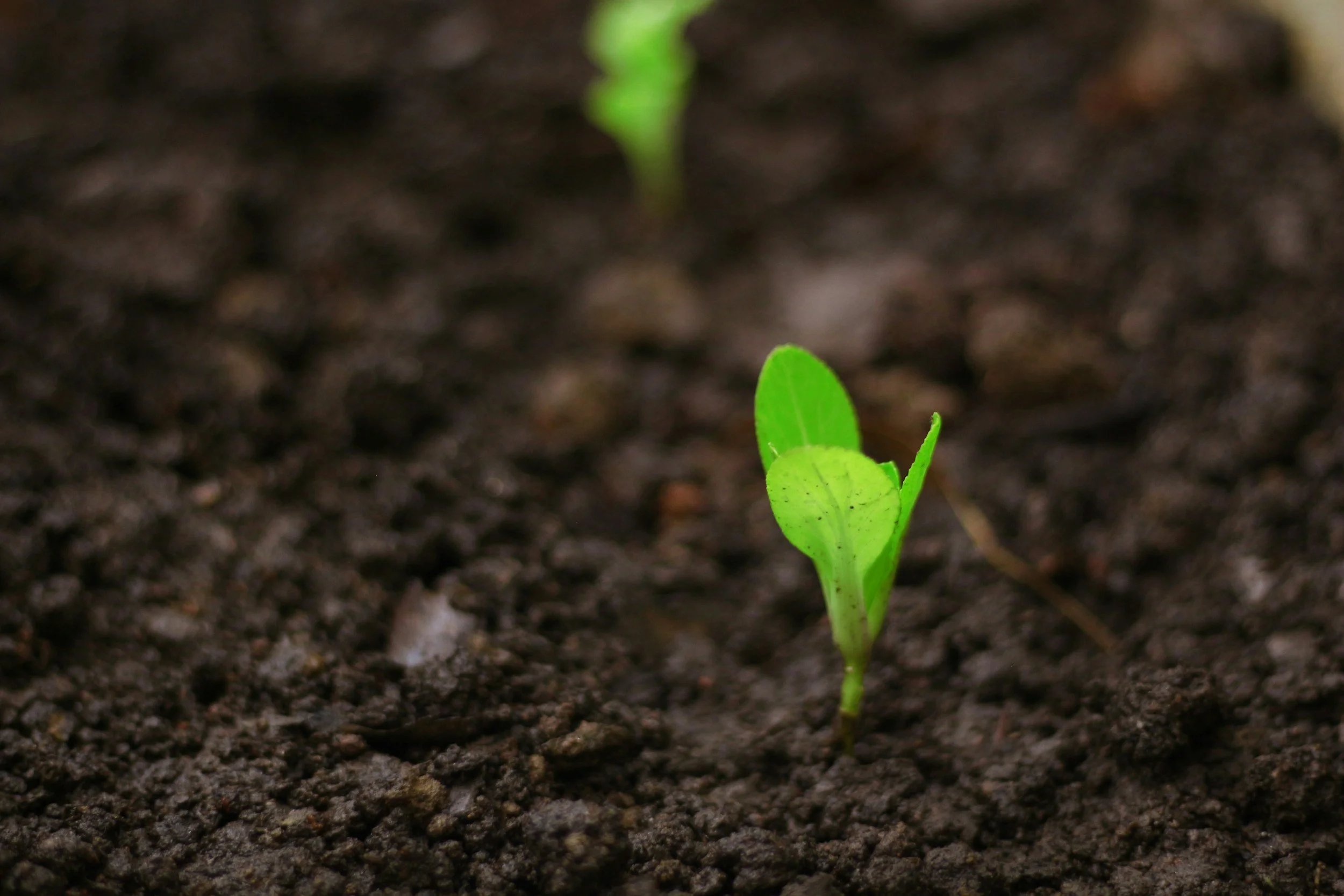
The life we help create and sustain may someday have profound effects on others in the community, even making community possible to begin with. Planting a seed might grow a tree that can one day tell a story of its own. It may provide shade for summer picnics, it will likely play host to new bird and insect life, it will surely create a valuable food source for local creatures, and it may even be cut down one day by a beaver to build its home that will flood the land, creating prime environment to bring even more plant and animal life into the area. Preferably, it will not be desecrated by power and greed, as is often the case in a world run by humans who have attempted to divorce themselves from nature. Habitat loss is the leading cause of biodiversity decline, and our choices are the leading cause of habitat loss. Just a week prior to Indigenous Peoples’ Day 2026, an ancient Fremont Cottonwood tree (Populus fremontii), known by the community as “Grandmother,” was crushed and removed from its riparian (wet) habitat, a rare jewel of an ecosystem in the harsh desert landscape in the borderlands of southern Arizona near Lochiel. Estimated to be older than the border itself, it was obliterated alongside other old growth cottonwoods in its community for the construction of a physical and symbolic barrier of division along the southern border, destroying the intricate web of life in its wake. Despite months long efforts to protect them, the land defenders that were trying to save these trees were forcibly removed and arrested by Border Patrol, even though they had the full support of the private landowners whose property and life contained within they were trying to protect. It can be disheartening to witness crimes against nature and other people, not ignoring it by sharing in the pain with others is not only a good way to cope, but a way to build community with others whose hearts are in need of mending. Building community that is centered on reverence for life instead of power is how we move forward with dignity.
Spreading cuttings
The plant matter that exists all around us is one of the most accessible sources of living beauty the earth has to offer. If you’ve never done it, I highly recommend experiencing the rush of joy that comes from placing a stem cutting of a plant into a jar of water and seeing it sprout new roots. This can be done with many different varieties of plants, though if your goal is to be growing indoors then I recommend tropical varieties as they are better suited to our climate controlled homes. Almost everyone knows someone who grows plants, so ask your friend, family member or colleague for a piece of theirs to try your hand at nurturing a new plant into existence. Vining plants like pothos, hoyas, and philodendrons are common and make excellent beginner houseplants, and are easy to take cuttings from. For many plants, a portion of the stem called a node is required to sprout new growth, and this is the portion of the stem where leaves emerge. Although a single node can grow a new plant, taking cuttings of three or more nodes will make it easier and quicker. Strip leaves from the bottom node on the stem and submerge it in water. Roots will soon appear, and once they’re a couple inches long they can be potted up. Cuttings can also be placed directly into moist soil without rooting in water first, and will usually have good success rooting this way as well.
Spreading seeds
If your goal is to support nature, I recommend primarily doing this with native plant species in your region. Here in Utah, we’re home to countless numbers of beautiful native wildflower varieties. Learning your region’s wildflowers is one of the best ways to connect to the land you live on. If you see one sprouting in your neighbor’s garden, asking them for seeds is one of the best ways to connect with the neighbors you live by. The more we do it, the stronger our networks of life and community will become. In addition to supporting local wildlife, native plants require little to no maintenance to keep as they’re perfectly adapted to the elements, so long as it’s situated in a spot with adequate sun. Once established, they help build the soil’s health and microbiome, making it more habitable for others to begin growing next to them. Some seeds require cold stratification, which basically means they must be chilled for several weeks to months before germinating. Fall is the perfect time to spread seed for this reason, and it’s also the season when many plants put out their seeds after months of colorful blooms.
Nathalie LeBaron